Train with direction
DON'T GUESS.
Your goal, your schedule, your starting point. VETOR organizes your training so you know what to do today and can follow what changes over time.
- Weekly planning
- Structured sessions
- Training history



Article of the day
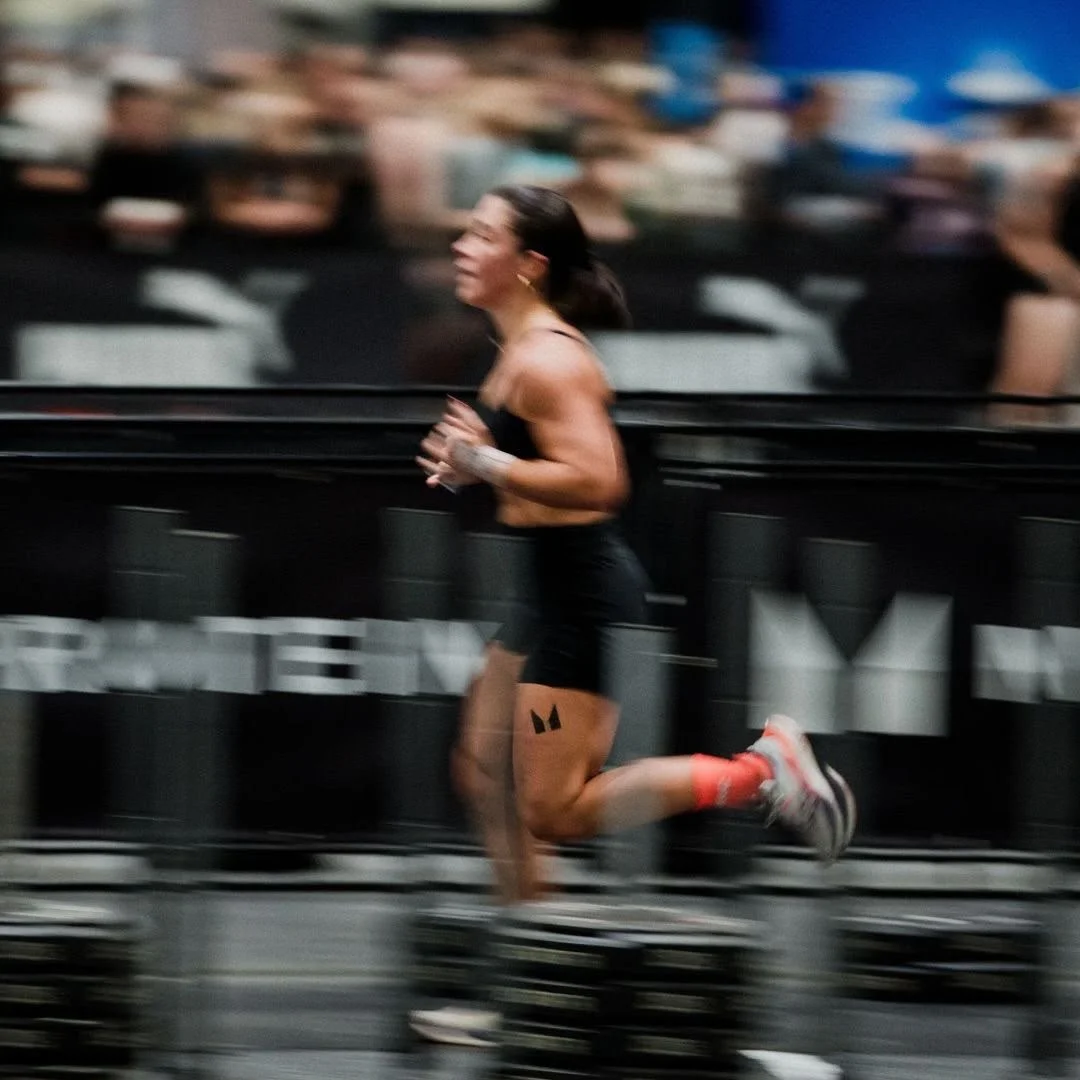
How to run faster over 5 km and 10 km: pace, endurance and speed without going all out every day
Easy running, intervals, tempo work and strength training: understand each session’s role, explore examples with duration and recovery, and adapt a six-week framework to your capacity.
Read articleYour starting point
What do you want from your training?
Feel better day to day.
Start with what fits your day and your current level. Running and expensive equipment are not prerequisites.
Find your consistency.
Work, family, limited time. A session you can do is worth more than a plan that stays on paper.

Train toward something.
A race, more strength or a new distance. Understand how each session fits the journey.
Keep the bigger picture.
Already competing? Track effort, volume and recovery to inform conversations with your support team.
Inside Vetor
From your week to today’s session.
See what is ahead and the details of each session. VETOR brings the structure together so you can focus on doing the work.
- 01Set your goal and the time you have.
- 02See your week and the stages of each session.
- 03Log your training and follow your history.
VETOR / DON’T GUESS.
What is your next goal?
Understand effort, volume and progression to build strength with purpose.
 Power training: how to turn strength into speed without training to failure
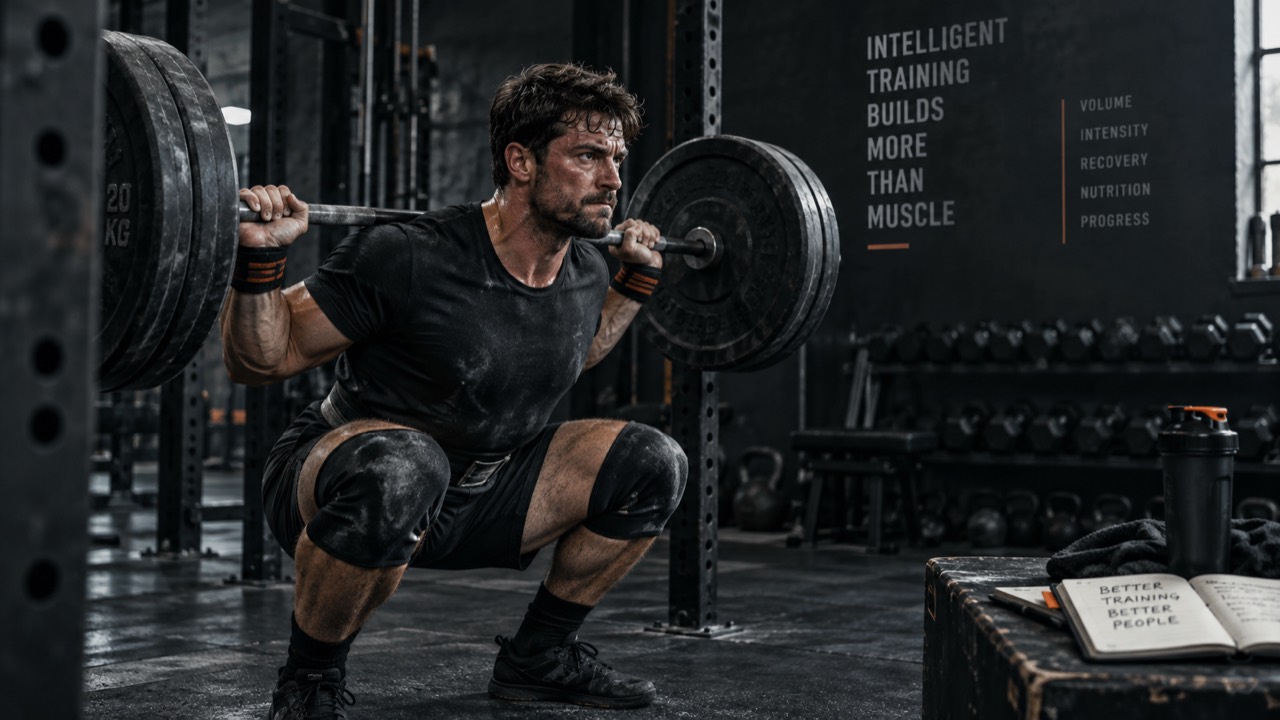 Smarter hypertrophy training in 2026: how much volume, intensity and effort do you really need to build muscle?
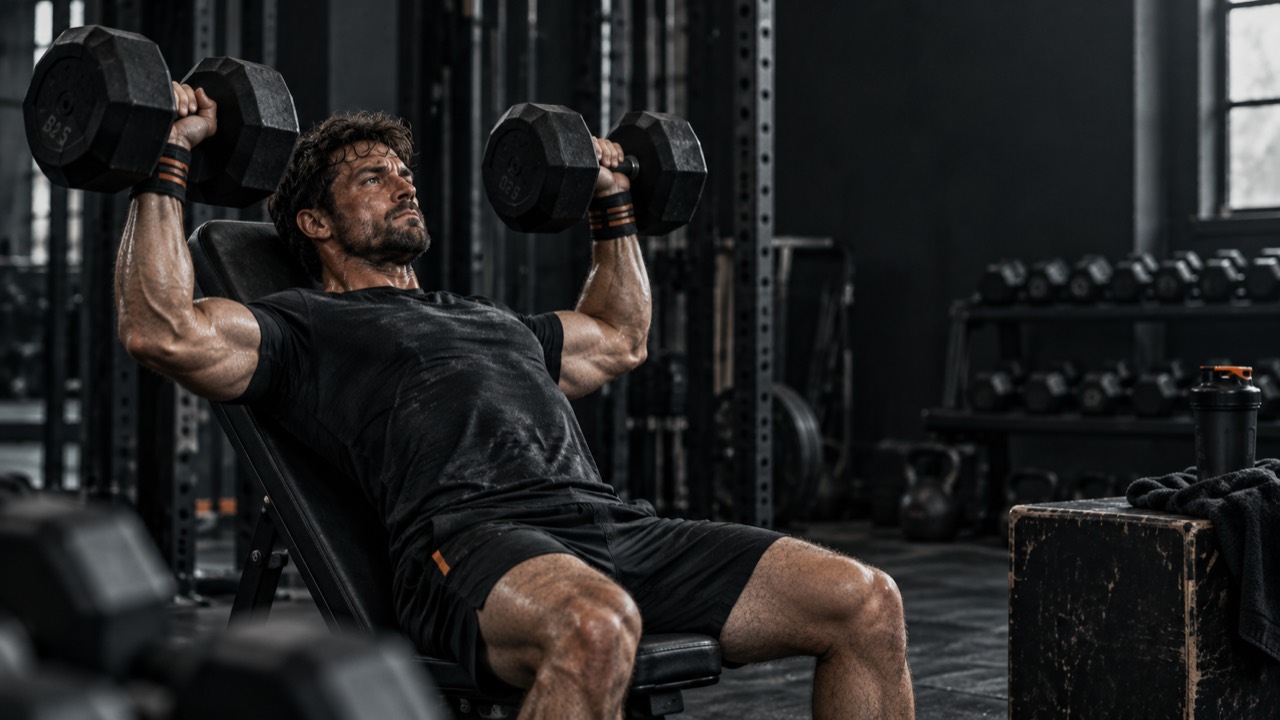 Smarter hypertrophy training: how many sets, how close to failure and how to grow without exhausting yourself every workout
In VETOR, planning, sessions and training history help you keep working toward your goal.
Content
Answers for your next session.
Choose a story. Explore the catalog through the spaces between cards.
How to run faster over 5 km and 10 km: pace, endurance and speed without going all out every day

Joint mobility for high performance: range, control and strength without sacrificing power

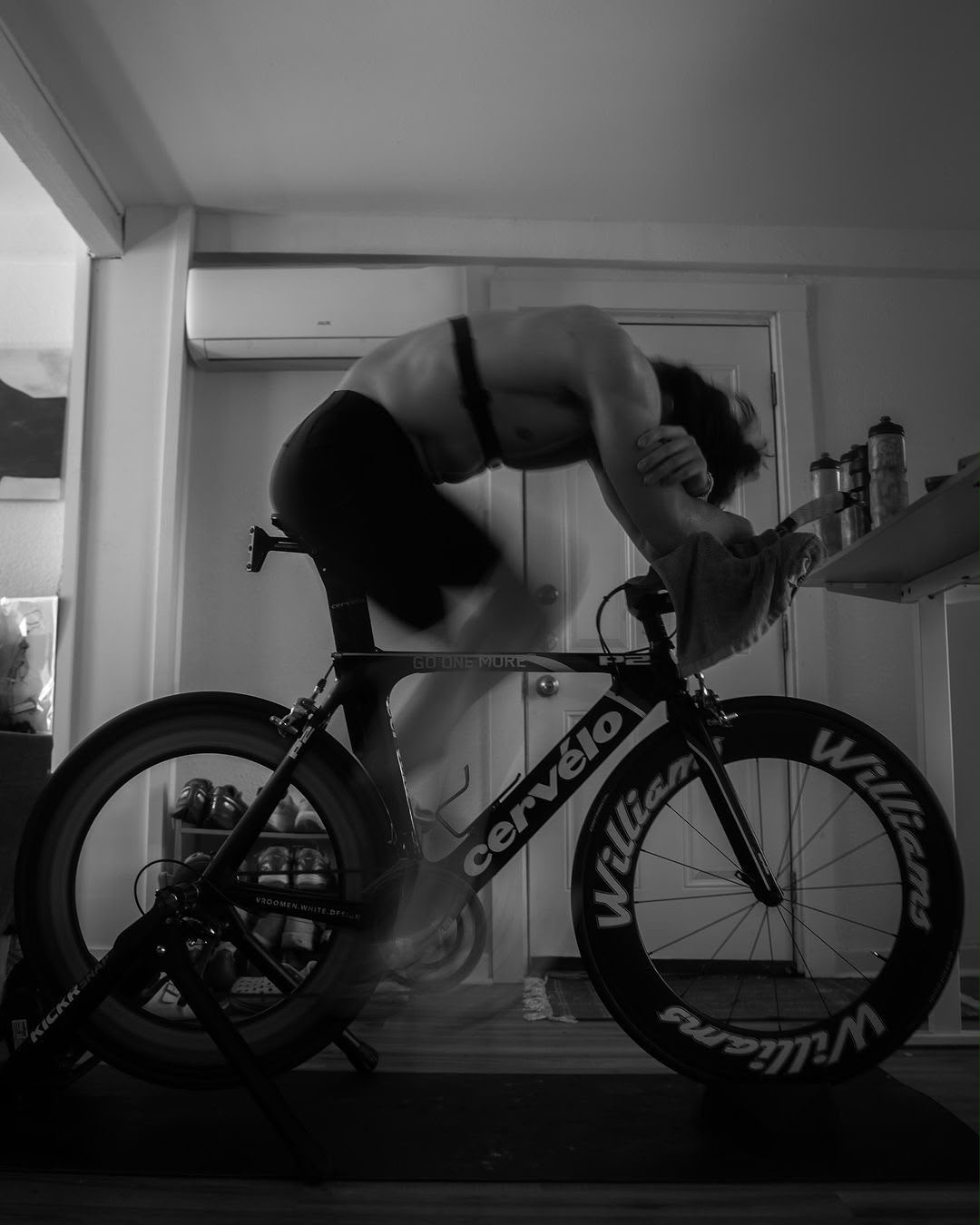
IRONMAN 70.3: how to train swimming, cycling and running for 113 km without falling apart on the half marathon
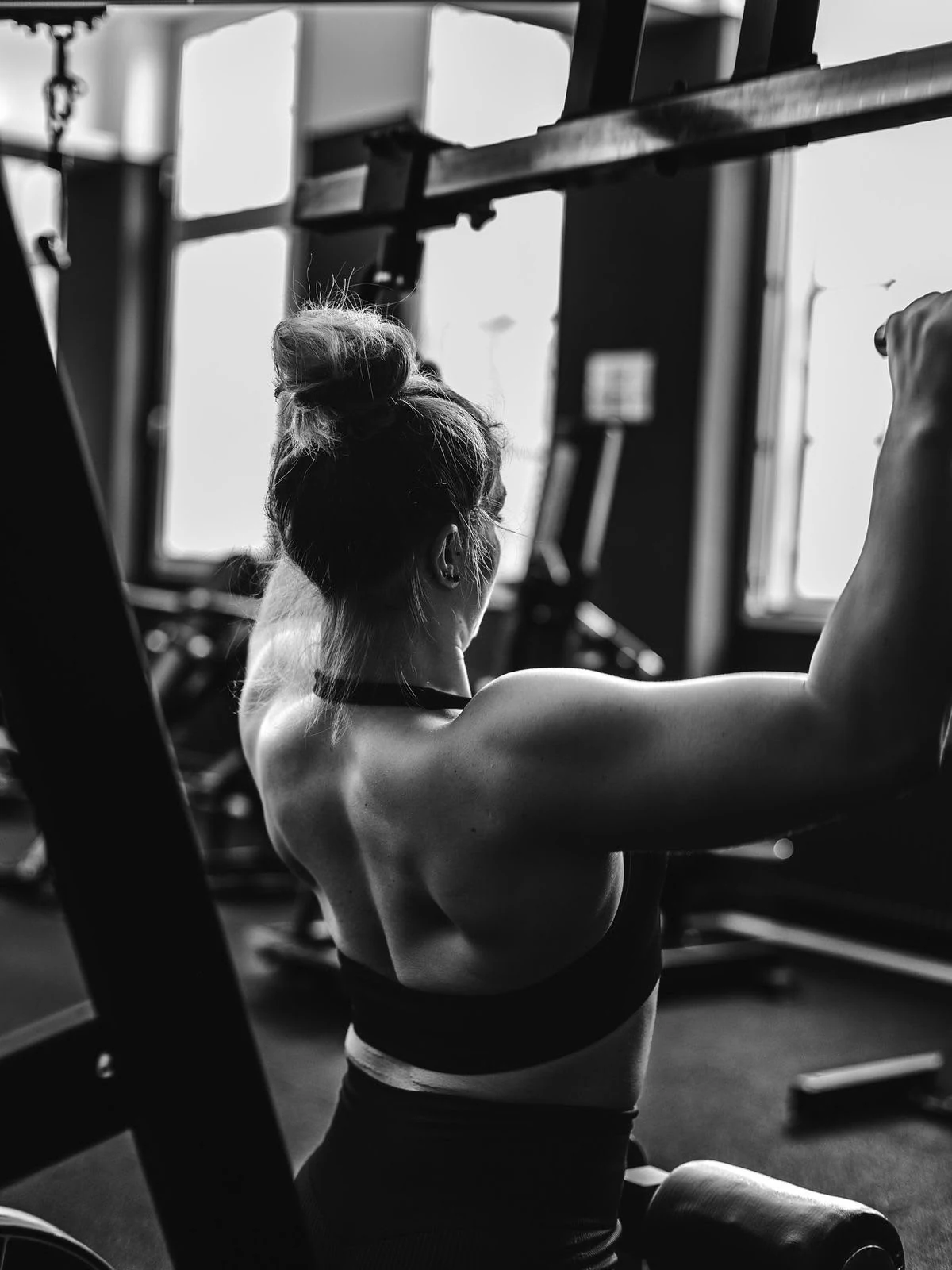
Smart hypertrophy: how many sets, reps and how much rest do you really need?

High-performance hiking and rucking: endurance, strength and preparation for loaded trails
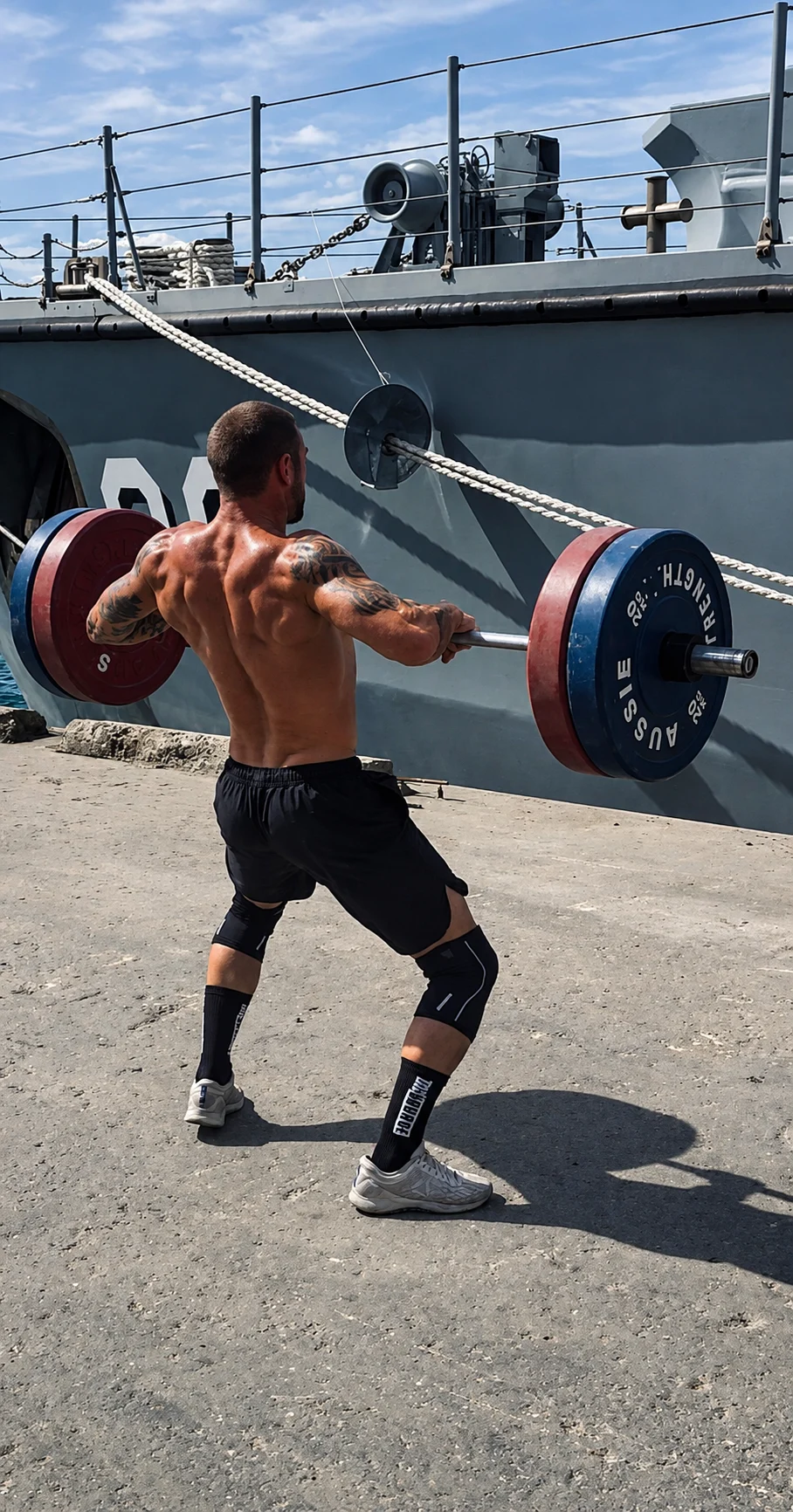
High-performance CrossFit: improve your WOD, strength and conditioning without going all out every day

How to stop gassing out in jiu-jitsu: conditioning for matches and tournaments

Open-water swimming: how to swim faster, build endurance and master long distances
VETOR / FAQ
Questions worth answering clearly
50 answers about VETOR, its limits and training choices. Choose a topic or search for a question.
10 / 50
01What does high performance mean to VETOR?
Progress from your own starting point, with purpose and continuity. This includes people training for health and everyday energy.
02Does VETOR promise results by a fixed deadline?
No. Adaptation depends on training, recovery, nutrition and context. The app organizes the process; it cannot guarantee individual results.
03How is direction different from a list of exercises?
A list tells you what to do. Direction connects goals, sessions, effort and history to make sense of ongoing training.
04Does VETOR replace a coach?
It does not replace in-person observation or professional judgment. It can support training organization and tracking.
05Can the app diagnose injuries or illness?
No. Training records and guidance are not diagnosis, treatment or medical clearance to exercise.
06Does this approach include beginners?
Yes. Starting with a manageable routine and understanding your training are part of the approach; competitive experience is not required.
07Should experienced athletes follow everything without question?
No. Competition schedules, limitations and team guidance matter. The app does not automatically know all that context.
08Is VETOR only for weight training?
Its scope includes strength, conditioning and endurance activities. Availability of each workflow depends on the app version.
09Why does DON’T GUESS. not mean absolute certainty?
It means making better-informed decisions. Measurements have limits and responses vary; no system removes all uncertainty.
10Is the website content an individual prescription?
No. Articles explain principles and examples. Applying a protocol requires considering your experience, health and other training.
Give your next session direction.
Get to know VETOR and hear when the app is available to download.